Navigating the job market for AI/ML roles has always been dynamic, but 2026 ushered in transformative shifts that reshaped everything.From how companies hire to what skills get you noticed. If you're looking to apply for ai/ml engineer, understanding these changes is essential to stand out in today’s hyper-competitive environment.
In this guide, we'll break down what exactly changed in 2026, detail how the recruitment landscape evolved, and provide actionable strategies to help you apply for ai/ml developers roles effectively and strategically in this new era. Whether you’re a seasoned professional or a newcomer, mastering these insights will give you a definite edge.
The AI/ML job market shift in 2026: A quick overview
Several key trends disrupted the AI/ML job market in 2026:
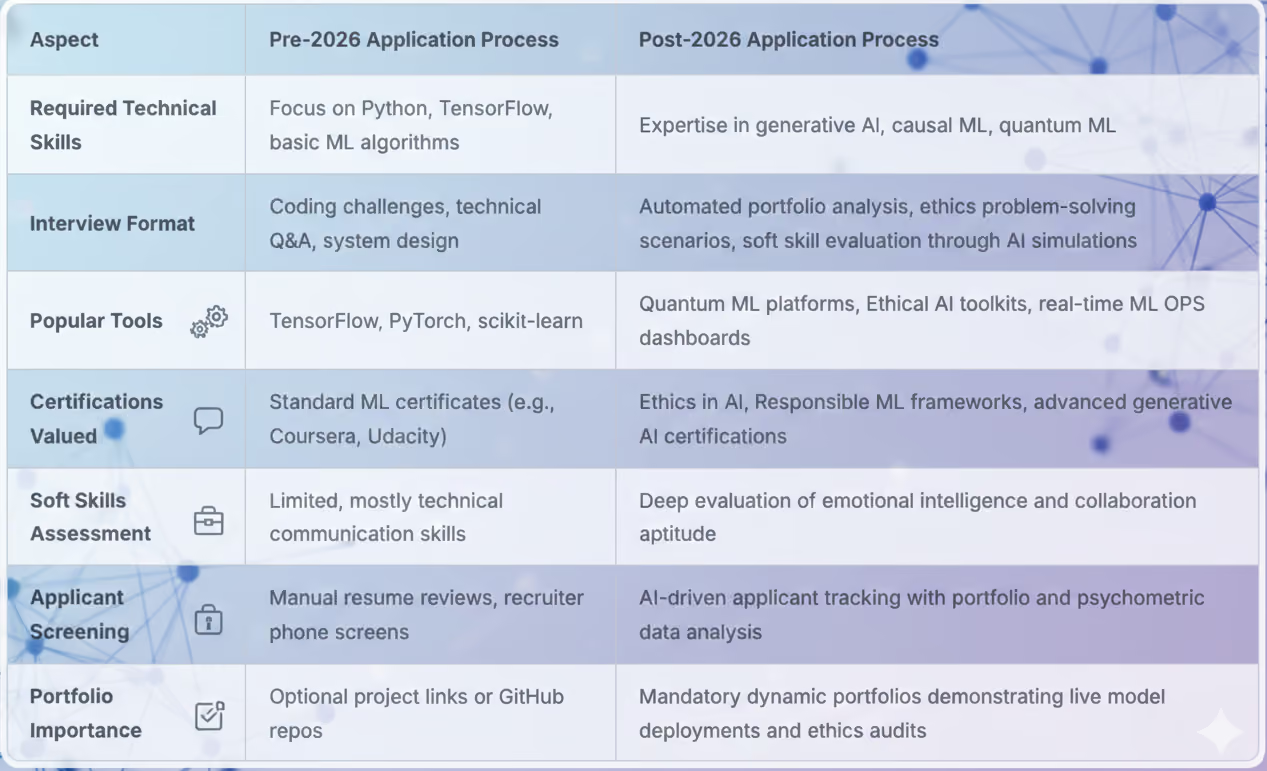
- Skill demand has evolved beyond traditional machine learning frameworks and Python programming. Employers started prioritizing expertise in emerging areas like generative AI, causal inference models, and ethics-driven ML.
- Hiring processes became more data-driven and automated AI-powered recruitment systems aren’t just screening resumes.They are deeply analyzing online portfolios, GitHub contributions, and even ethics alignment via advanced psychometric assessments.
- New certifications and tools are game-changers. Certification in areas such as responsible AI and advanced neural architecture design now carry significant weight. Also, platform-specific tools (e.g., quantum-enhanced ML environments) have carved out new niches.
- Soft skills are non-negotiable. Emotional intelligence, cross-functional communication, and collaborative innovation ranked equally with technical skills in many hiring decisions.
Before vs after 2026: How the application process and candidate expectations have changed
What does this mean for candidates applying today?
If you want to apply for ai & ml developers roles and succeed, recognizing these shifts can inform how you present yourself and what you emphasize throughout your job hunt. Here’s how to optimize your approach for the 2026+ job market:
1. Upgrade your skill set
Focus on expanding your expertise into newer domains:
- Learn generative AI frameworks beyond the common models.
- Get comfortable with causal inference techniques in ML, a rising area recruiters seek.
- Explore nascent quantum machine learning tools.
- Take reputable certificates in responsible AI and ethics.
2. Build a dynamic, interactive portfolio
Gone are the days of static GitHub repos. Your application package should include:
- Live model deployments accessible to recruiters.
- Documentation of your model’s ethical audits and bias mitigation.
- Usage of real-time dashboards showing model performance and adjustments.
- Evidence of collaborative projects highlighting your soft skills.
3. Prepare for AI-driven interviews and assessments
You’ll encounter next-gen interview formats involving:
- Simulated real-world ethical dilemmas solved with AI/ML techniques.
- AI-assisted soft skills evaluation, requiring authentic communication and emotional intelligence.
- Interactive assessments embedded in application platforms.
Practice these by engaging with AI-driven mock interview tools and contributing to community challenges with ethical and collaborative components.
4. Showcase soft skills alongside tech prowess
Leverage examples from your experience where you:
- Worked cross-functionally with product and ethics teams.
- Innovated solutions respecting fairness and transparency.
- Navigated complex stakeholder dynamics.
Your resume, cover letter, and portfolio should all subtly convey these strengths.
5. Use the right keywords and tailor your application
When you apply for ai/ml developers roles, optimize your materials for both AI screening tools and human recruiters by:
- Incorporating terms aligned with cutting-edge skills and certifications.
- Describing your projects with measurable impact and ethical considerations.
- Personalizing cover letters to the company’s AI ethics stance and innovation approach.
Final Thoughts
The AI/ML job market today is not just about who codes the best algorithms but also about who builds responsible, collaborative, and innovative AI solutions. If you want to apply for ai & ml developers roles in 2026 and beyond, adapting to these new expectations early will dramatically increase your chances of landing interviews and offers.
Remember, this is a fast-evolving space. Regularly update your skills, refresh your portfolio, and stay informed about recruitment trends to maintain a competitive edge.
Good luck in your AI/ML career journey.2026 is full of opportunities for those ready to embrace change!
Key Takeaways at a glance:
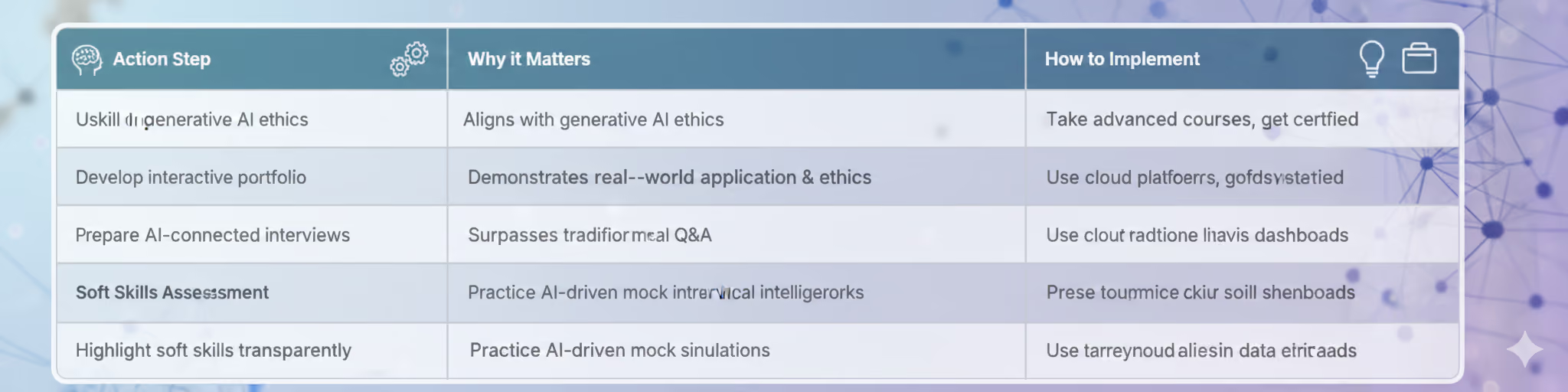
Build these into your job search strategy to excel while you apply for ai/ml engineer roles.
Stay curious, stay ethical, and keep building the future of AI
Want to be seen as a strategic backend engineer, not just a coder? This article shows you how to think in the role how-to-think-in-the-role-a-deep-dive-into-a-strategic-mindset-for-backend-engineers