Frontend engineering teams face a unique set of challenges this quarter. Hiring managers and tech leads frequently ask: how do we hire frontend engineer talent effectively amid rapidly evolving technology and shifting project demands? Ensuring your frontend team keeps pace requires practical, actionable steps that address both recruitment and integration of top engineers. This operator playbook delves into the current trends, obstacles, and solutions you can apply right now to build, scale, and manage high-performing frontend teams.
Understanding when and why to hire frontend developers
Before jumping into hiring, it is essential to assess your project needs and company objectives. Ask yourself:
- Are your frontend projects expanding in scope or complexity?
- Is your team struggling to maintain quality and velocity under growing demands?
- Does your roadmap include new technologies like modern frameworks or design system integration?
- Would a dedicated frontend developer improve focus and collaboration compared to full-stack engineers splitting attention?
If the answer to any of these points is yes, the case to hire dedicated frontend developers grows stronger. Specialization enables deeper expertise, faster turnaround, and better user experience outcomes. For startups or smaller teams, generalists may suffice initially, but as the product matures, adding focused frontend expertise will boost efficiency and quality.
How to build a robust frontend hiring strategy
To hire the best frontend developers this quarter, you need a clear strategy that combines technical skills assessment, cultural fit evaluation, and streamlined processes
1. Define must-have technical skills:
Identify the core competencies essential for your projects. These often include:
- Proficiency in JavaScript and one or more modern frameworks like React, Angular, or Vue
- Experience with frontend state management and APIs
- Familiarity with responsive design and accessibility standards
- Understanding web performance optimization techniques
- Knowledge of frontend testing tools and pipelines
This skill set can vary based on your specific product needs, but be clear about non-negotiables up front.
2. Design an interview process that balances depth and efficiency
Avoid overly long or convoluted interviews. Practical coding exercises, paired programming sessions, and real-world problem simulations provide better insights into candidates’ capabilities than theoretical questioning alone. Combine technical assessments with behavioral interviews to understand motivation, communication, and team collaboration.
3. Set up a comprehensive vetting and onboarding system
Vet candidates by reviewing portfolios or Github contributions and validating references. Post-hire, integrate new hires through structured onboarding that includes mentoring, knowledge sharing, and early exposure to meaningful tasks. This accelerates their productivity and fit with your team.
Vetting processes for hiring best frontend developers
To hire best frontend developers, focus on both technical proficiency and cultural alignment.
- Technical proficiency: Use coding challenges that mimic real project scenarios rather than abstract puzzles. Evaluate problem-solving skills, code readability, and approach to edge cases. Add frontend-specific questions around UI/UX thinking as well as cross-browser compatibility.
- Cultural fit: Frontend development is a collaborative discipline that requires close work with designers, backend engineers, and product managers. Assess soft skills like communication, adaptability, and feedback receptiveness through situational questions or team interviews.
This balanced approach helps ensure you do not sacrifice team cohesion for technical prowess.
Sample frontend hiring pipeline and interview scorecard template
Here is a practical pipeline recruiters and tech leads can adapt immediately:
Pipeline stages:
- Resume screening – filter for relevant frontend experience and projects
- Technical phone screen – 30-minute coding problem and discussion
- Take-home assignment – real-world coding or UI challenge completed in 48 hours
- Onsite/virtual interviews – practical paired programming, system design, and cultural fit rounds
- Reference checks – verify past performance and collaboration
Interview scorecard categories (rate 1-5):
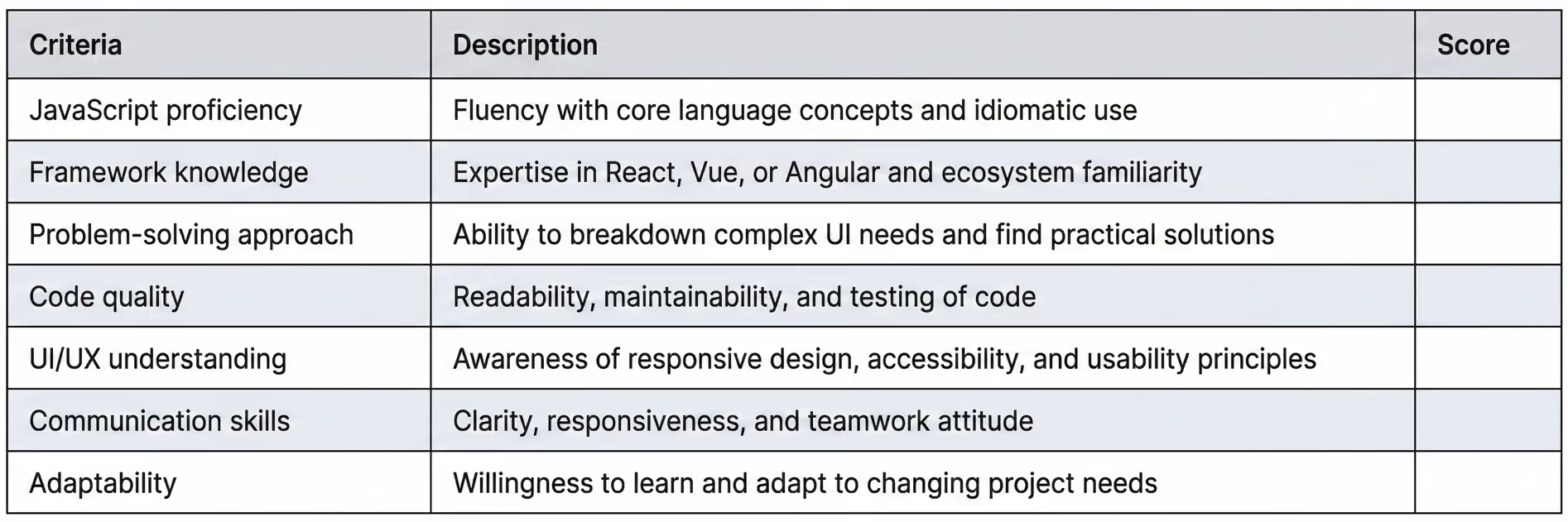
This tool helps keep assessments objective and reveals areas where candidates shine or may need growth.
Staying current with frontend hiring trends
Leading industry studies confirm the demand for skilled frontend engineers remains strong, with employers prioritizing candidates who demonstrate real-world frontend architecture experience and collaborative skills. While competition for talent is fierce, companies that invest in clear role definitions, efficient evaluation, and thorough onboarding report better retention and team satisfaction.
Emerging technologies this quarter, including improvements in component-based frameworks and design tools integration, underline the importance of companies looking to hire frontend engineers who are comfortable with fast iteration and cross-discipline partnerships.
Conclusion: Making practical hiring decisions this quarter
When you decide to hire dedicated frontend developers this quarter, focus on aligning hires to your specific product needs and company culture. Move beyond generic job descriptions. Use targeted vetting that blends strong technical exercises with behavioral insight. Streamline your pipeline with clear evaluation criteria and structured onboarding to maximize each new hire’s impact.
By committing to these practical steps, hiring managers and tech leads can build frontend teams prepared for today’s evolving challenges and ready to deliver exceptional user experiences. This measured approach ensures you not only hire frontend developer talent but also set them up for success within your organization.
With these operator playbook insights, your team can react swiftly and confidently to hiring demands this quarter, ensuring frontend engineer hires drive measurable project progress and long-term growth.